The most important requirement is often missing
Many platform projects collect detailed requirements but never clearly define the problem they are trying to solve. That missing context often matters more than the feature list.

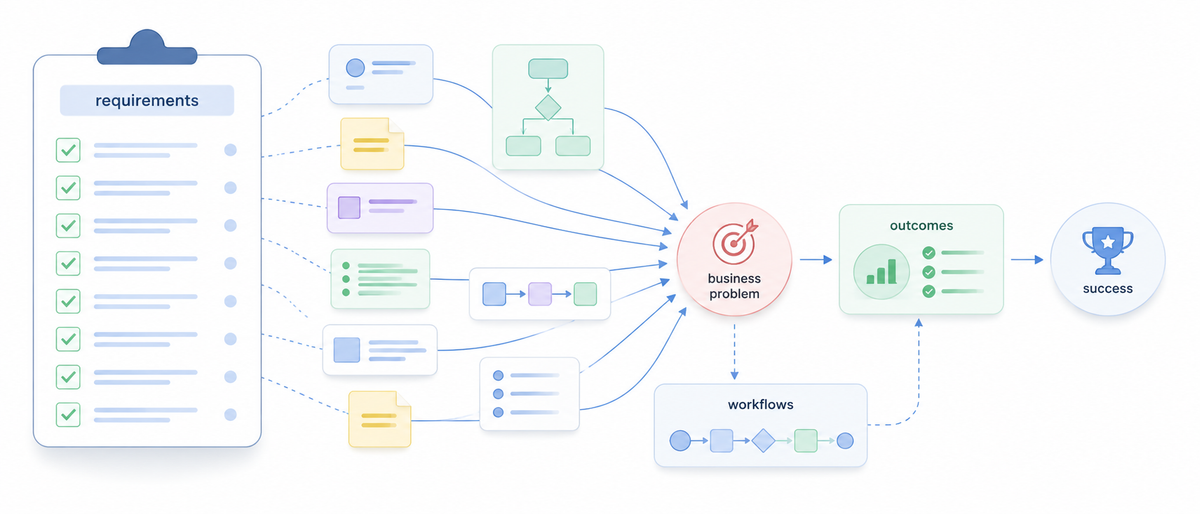
Platform evaluations usually begin with requirements.
Teams gather stakeholders.
Workshops are organized.
Spreadsheets appear.
Requirements are collected, categorized, prioritized, and compared across vendors.
This is a sensible approach.
But there is a problem.
The most important requirement is often missing.
Not because people forgot to ask.
Because it is rarely written down.
What problem are we actually solving?
Many requirements describe a solution.
Fewer describe a problem.
For example:
"We need SSO."
"We need an API."
"We need approval workflows."
"We need reporting."
"We need automation."
All of these may be valid.
But they are not the reason the project exists.
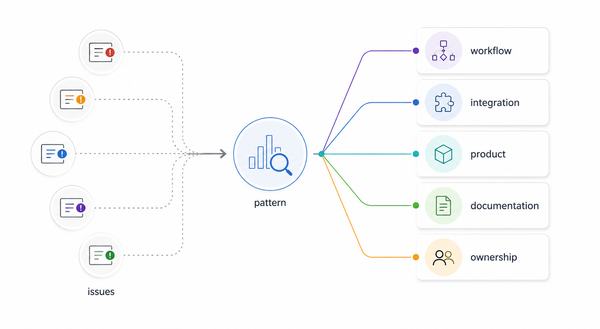
Behind every requirement sits a business problem.
Users struggle to access the platform.
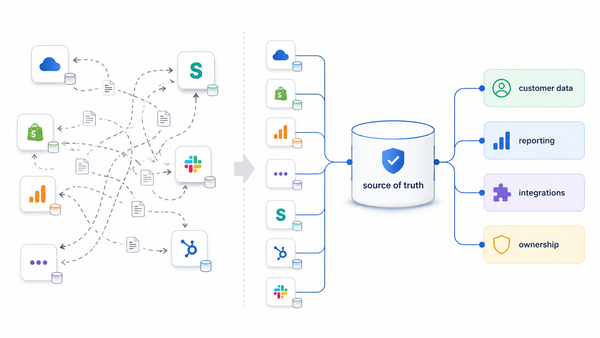
Teams spend hours manually transferring data.
Managers lack visibility.
Processes are inconsistent.
Reporting is unreliable.
Growth is creating operational complexity.
Understanding the problem changes the conversation.
The same requirement can have different motivations
Two organizations may ask for exactly the same feature.
Yet the reasons can be completely different.
One company may want SSO to improve security.
Another may want it to reduce support tickets.
A third may want it to simplify onboarding.
The requirement looks identical.
The success criteria are not.
This matters because successful implementations are usually measured against outcomes, not features.
Features are easier to discuss than outcomes
There is a reason teams focus on features.
Features are concrete.
Outcomes are harder.
It is easier to ask:
"Does the platform support this workflow?"
than:
"What would success look like six months after launch?"
But the second question often reveals more useful information.
It shifts the discussion from product capabilities to business impact.
Success should be visible before implementation starts
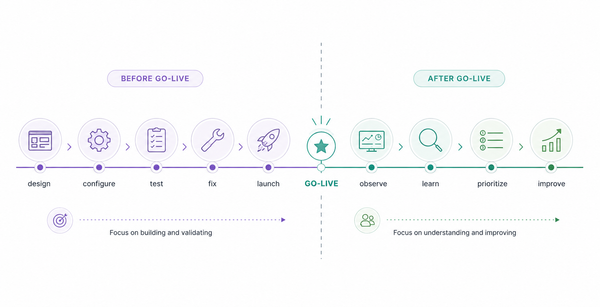
One useful exercise is to imagine the project one year after go-live.
The platform is live.
Users are active.
Integrations are running.
Reports are available.
Now ask:
What improved?
What became easier?
What became faster?
What became more reliable?
What became more scalable?
If nobody can answer those questions clearly, the project may be solving the wrong problem.
Good requirements support decisions
Requirements are important.
They create structure.
They reduce ambiguity.
They help compare options.
But requirements work best when they remain connected to the underlying objective.
Otherwise teams risk optimizing for functionality instead of outcomes.
A platform can satisfy every requirement on a spreadsheet and still fail to create meaningful value.
The real requirement
The most important requirement is often not written anywhere.
It is the reason the project exists in the first place.
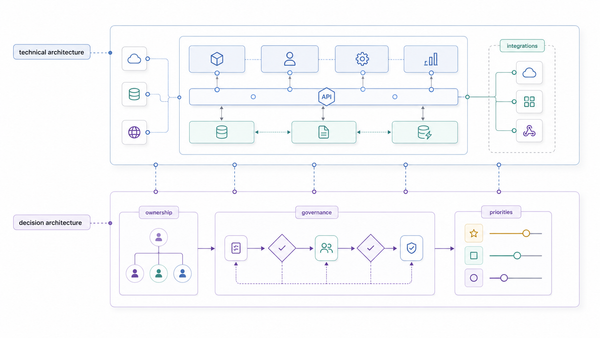
The sooner that reason becomes visible, the easier it becomes to make better platform, integration, and implementation decisions.