Every platform project has two architectures
Platform projects are shaped by more than systems and integrations. They are also shaped by the way decisions are made, owned, and resolved across teams.

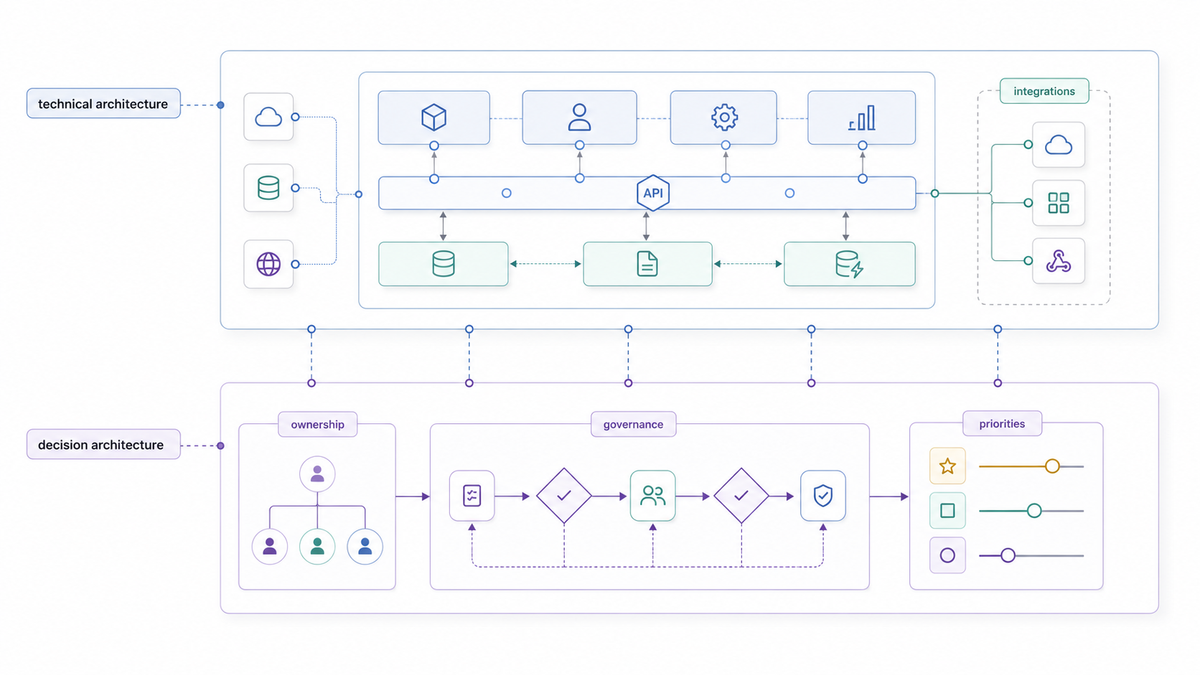
When people talk about architecture, they usually think about systems.
Platforms.
APIs.
Data flows.
Integrations.
Infrastructure.
These elements matter.
But there is another architecture that is often less visible.
The architecture of decisions.
Every platform project has both.
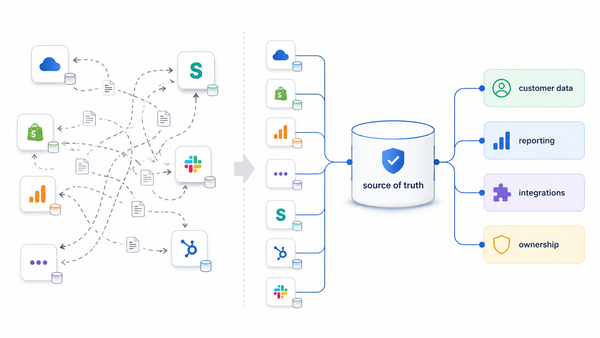
The technical architecture
This is the part most people recognize.
Which platforms are involved?
How does data move?
Which system owns what?
What integrations are required?
How are users authenticated?
How is reporting produced?
These questions shape the technical solution.
They are essential.
But they are only part of the picture.
The decision architecture
Every project also develops a decision architecture.
Who approves changes?
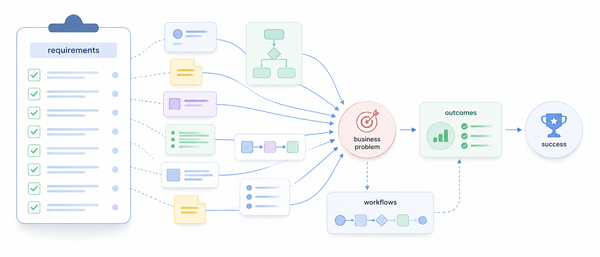
Who owns requirements?
Who decides priorities?
Who resolves disagreements?
Who accepts trade-offs?
Who defines success?
These decisions influence the project just as much as the technical design.
Sometimes more.
Weak decisions create technical complexity
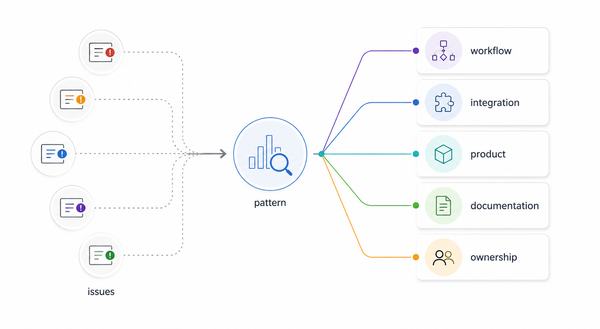
Many technical problems are actually decision problems.
An integration becomes complicated because ownership is unclear.
A workflow becomes difficult because nobody agreed on a standard process.
Reporting becomes inconsistent because different teams use different definitions.
A migration becomes risky because nobody decided what data should be kept.
The technical team is often asked to solve these issues.
But technology can only implement a decision.
It cannot make the decision itself.
Good governance creates simpler systems
The most successful projects I have seen were not necessarily the most sophisticated.
They were often the clearest.
People knew:
Who owned what.
How decisions would be made.
How priorities would be set.
How disagreements would be resolved.
This clarity reduced friction.
The technical architecture still mattered.
But the project spent less energy navigating uncertainty.
Every unresolved question goes somewhere
Unresolved questions never disappear.
They simply move.
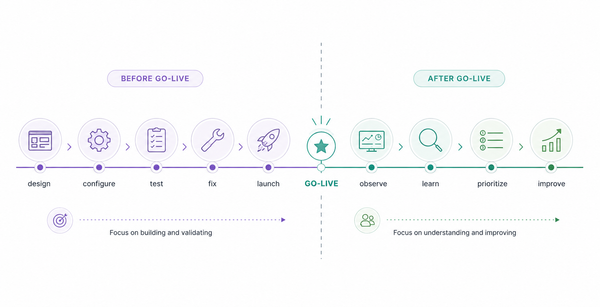
If they are not resolved during discovery, they appear during implementation.
If they are not resolved during implementation, they appear during testing.
If they are not resolved during testing, they appear after go-live.
The cost usually increases each time they move.
This is why good discovery often feels slower.
It is really moving work earlier in the project.
Architecture is not only technical
When people describe a project as "well architected", they often mean the systems.
But strong projects usually combine two things:
A technical architecture that works.
And a decision architecture that works.
One without the other creates instability.
The real architecture question
Before asking whether a platform, integration, or workflow is well designed, it can be useful to ask another question:
How are decisions made around it?
The answer often explains more about the future success of a project than the technology itself.