The hidden complexity of "simple" workflows
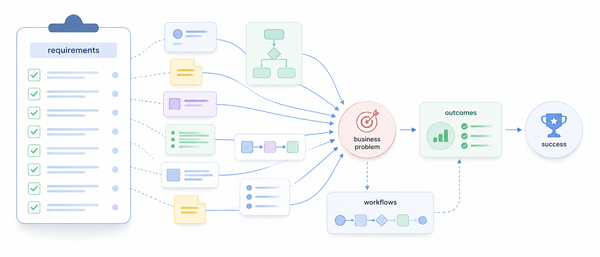
Many workflows look simple during platform selection or demos. The real complexity often appears later through exceptions, ownership, integrations, governance, and operational reality.

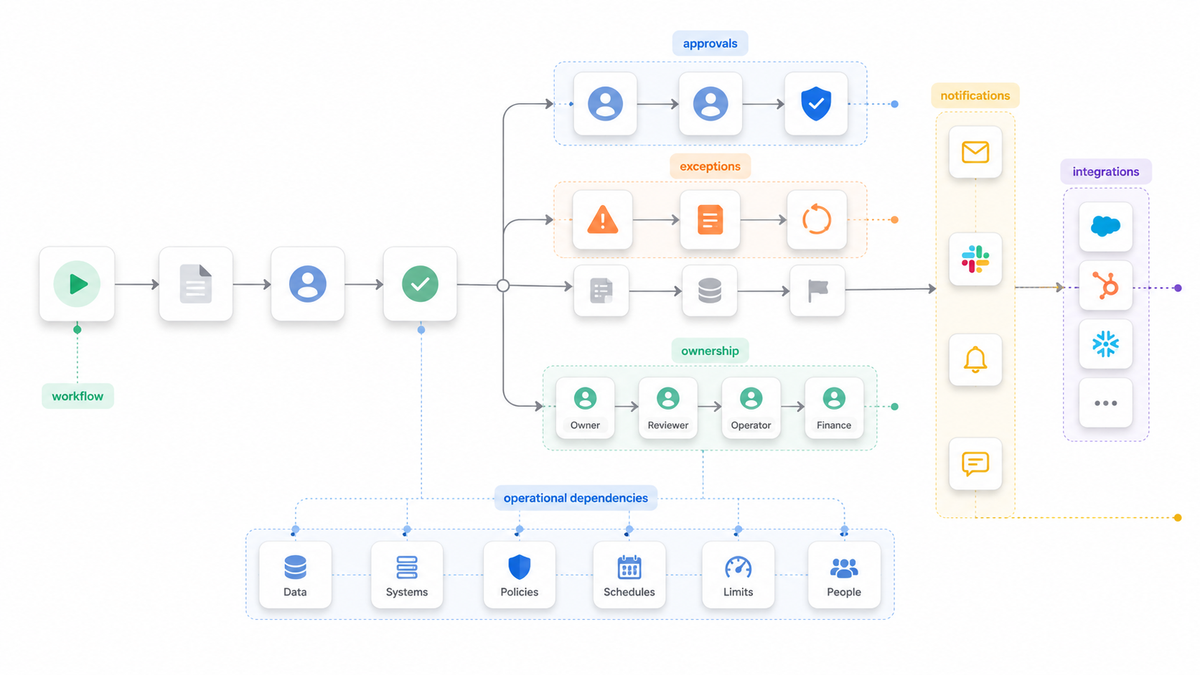
Many platform projects begin with workflows that sound simple.
A user registers.
A manager approves.
A notification is sent.
A course is assigned.
A payment is validated.
A report is generated.
At first glance, the process can look straightforward.
Then the project starts moving forward, and new questions appear.
What happens if the manager is absent?
What happens if the user belongs to multiple teams?
What happens if approval depends on budget thresholds?
What happens if the synchronization fails?
What happens if the workflow changes six months later?
What happens if one country follows a different process?
What happens if the same action needs to trigger reporting in another system?
This is where many “simple workflows” become operational design discussions.
Simplicity depends on perspective
A workflow can feel simple for the person using it while being technically or operationally complex behind the scenes.
That is not a problem by itself.
Good systems often hide complexity from users.
But during platform selection or solution design, it is important to understand where the complexity actually lives.
Sometimes the visible workflow is simple because:
- another team handles exceptions manually
- integrations absorb the complexity
- operations teams perform hidden validation steps
- data corrections happen outside the system
- reporting teams rebuild missing logic elsewhere
The workflow may appear clean on the surface while depending on many invisible operational activities.
Standard workflows are rarely fully standard
Most SaaS platforms are designed around standard processes.
That is usually a strength.
Standardization improves maintainability, predictability, scalability, and product consistency.
But organizations often operate with exceptions.
A department follows a different approval path.
A region has specific compliance rules.
A partner organization works differently.
A legacy process still exists.
A manager wants additional validation steps.
A support team handles urgent cases outside the normal flow.
The issue is not whether the workflow is technically possible.
The issue is how much adaptation is required before the workflow becomes difficult to maintain.
Every exception has a cost
Exceptions are not free.
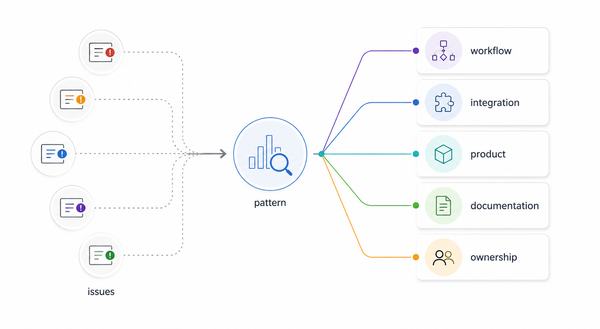
Even small workflow changes can affect:
- permissions
- notifications
- reporting
- integrations
- support processes
- auditability
- user training
- operational ownership
This does not mean organizations should avoid exceptions completely.
But it does mean exceptions should be evaluated carefully.
Sometimes a workflow customization creates real business value.
Sometimes it reproduces habits that no longer need to exist.
One of the most useful questions during discovery is often:
Is this workflow essential, or simply familiar?
Workflows also reveal organizational structure
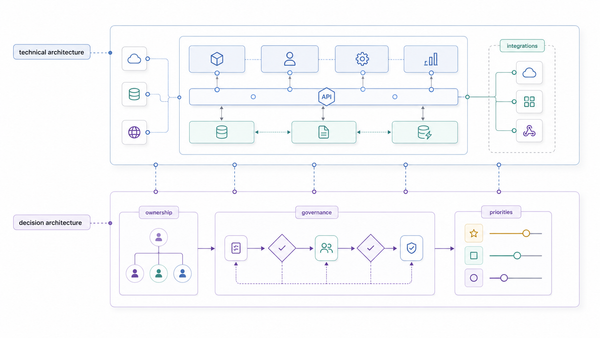
Workflow discussions often expose how responsibilities are distributed across teams.
Who approves what?
Who owns the data?
Who can override decisions?
Who receives notifications?
Who resolves exceptions?
Who is accountable when something fails?
These are not only technical questions.
They are organizational questions.
This is why workflow design conversations sometimes become more sensitive than expected. They often touch governance, hierarchy, ownership, and internal habits.
Automation does not remove complexity
There is a common assumption that automation simplifies processes automatically.
Sometimes it does.
But automation can also make unclear processes harder to see.
A manual process often exposes problems because people notice friction directly.
An automated workflow can continue operating while hiding:
- inconsistent business rules
- poor data quality
- unclear ownership
- edge cases
- operational dependencies
The workflow feels smooth until an exception appears.
That is why automation works best when the underlying process is already reasonably understood.
A good workflow is sustainable
The best workflow is not always the most advanced or the most automated.
It is the one that people can realistically understand, operate, maintain, and improve over time.
That means considering:
- user experience
- operational reality
- governance
- exceptions
- maintainability
- team capacity
- system dependencies
A workflow is not only a sequence of actions inside a platform.
It is a reflection of how work moves through an organization.
And that is why even simple workflows are rarely as simple as they first appear.