A platform is never just a tool
Choosing a platform is not only about features. It is also about business fit, system fit, and operating fit.

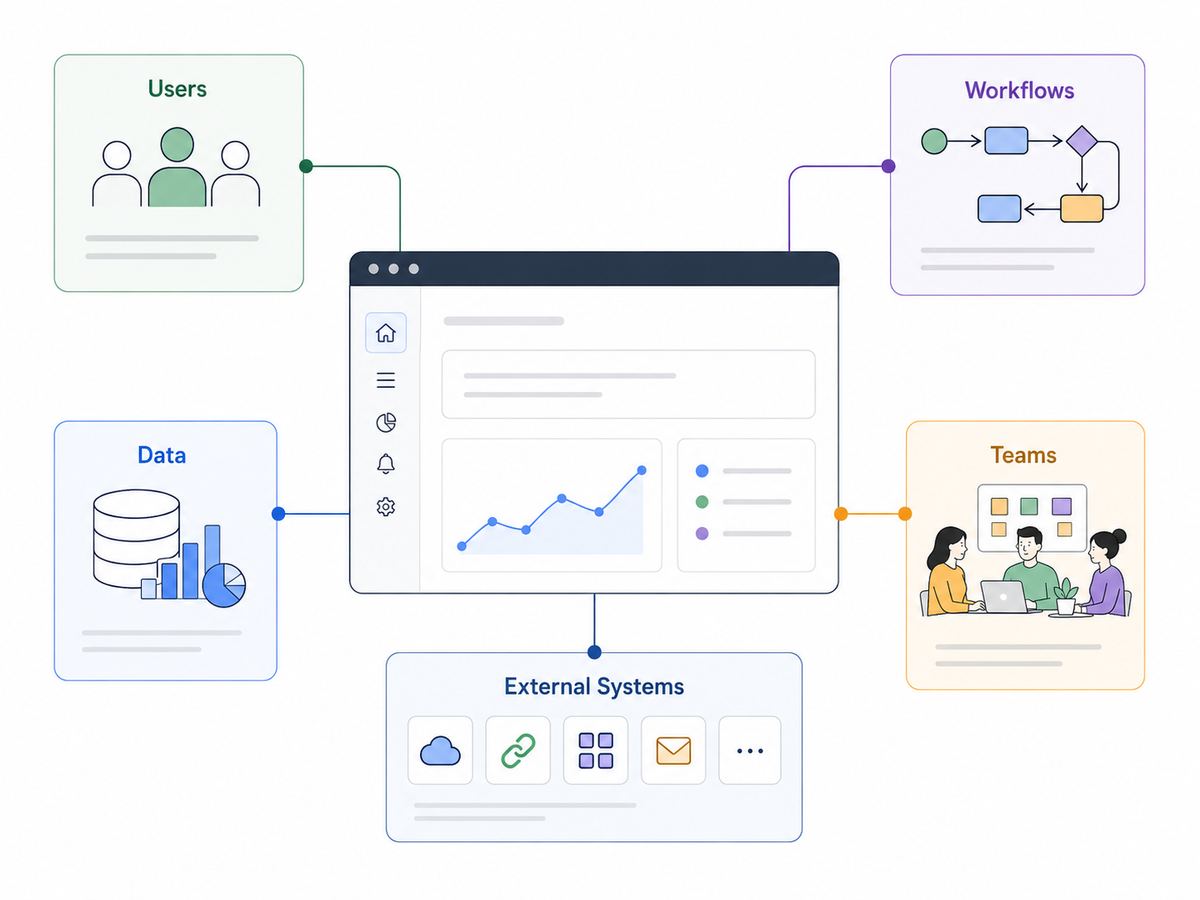
When an organization chooses a new platform, the conversation often starts with features.
Can users do this?
Does it support that workflow?
Can it integrate with this system?
Can we configure this rule?
What does the interface look like?
These questions matter. But they are rarely enough.
A platform does not live in isolation. It sits inside an existing ecosystem of users, processes, data, systems, teams, and constraints.
The real question is not only:
Can the platform do what we need?
It is also:
How will this platform actually work inside the organization?
That second question changes the discussion.
It forces us to look beyond the product itself and understand the environment around it.
Who owns the data?
Which systems need to exchange information?
Where does the user journey really start and end?
Which teams will operate the platform after launch?
What happens when the standard workflow does not match the business reality?
Which decisions are simple configuration choices, and which ones become integration, governance, or operating model topics?
This is where many platform projects become more complex than expected.
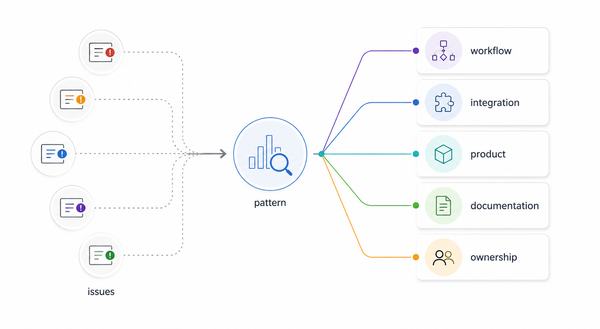
A feature can look simple in a demo but create operational questions later. An integration can look technically possible but depend on unclear ownership. A workflow can look logical on paper but fail because it does not match how people actually work.
This does not mean that feature analysis is useless. It means that features need to be evaluated in context.
A platform decision is usually a combination of three things.
Business fit
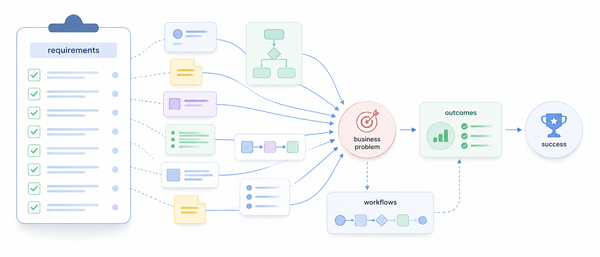
What problem are we trying to solve, and for whom?
This sounds obvious, but it is often where confusion starts. Different stakeholders may use the same words while meaning different things.
One team may be focused on user experience. Another may care about reporting. Another may care about operational efficiency. IT may care about identity, security, data flows, maintainability, and support.
A good platform choice needs to clarify these priorities, not hide them behind a checklist.
System fit
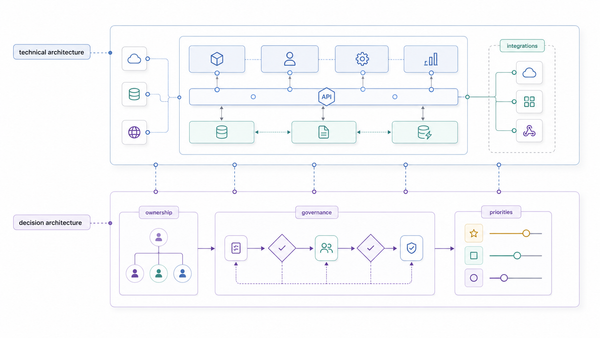
How does the platform connect with the existing technical and data ecosystem?
Most platforms need to exchange information with other systems. That can include a CRM, an ERP, an identity provider, a data warehouse, an ecommerce tool, a marketing platform, or internal business applications.
The question is not only whether an integration exists.
It is also what data needs to move, when it needs to move, which system is the source of truth, what happens when something fails, and who is responsible for monitoring and maintaining the flow.
This is often where a “simple” platform project becomes a system design discussion.
Operating fit
Who will run the platform after launch?
This is sometimes underestimated.
A platform can be well chosen and well integrated, but still become difficult to sustain if the operating model is unclear.
Who owns configuration decisions?
Who handles support?
Who manages data quality?
Who decides when workflows need to change?
Who evaluates whether the platform is still fit for purpose after six months or one year?
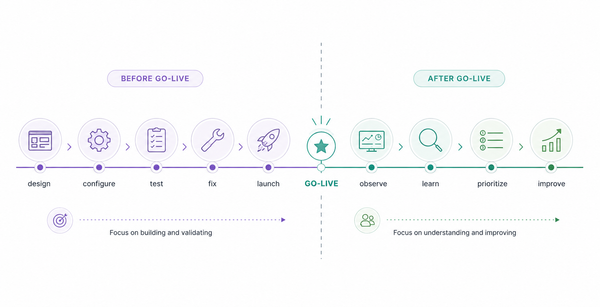
The launch is not the end of the project. It is the beginning of the platform’s operational life.
The real decision
The best platform is not always the one with the longest feature list.
It is the one that fits the business context, connects realistically with the surrounding systems, and can be operated by the people who will live with it every day.
This is why platform selection and solution design should not be treated as separate activities.
Choosing a platform is already designing part of the future operating model.
And that is why a platform is never just a tool.